
what is lost — and what is gained — in the passage between cultures and knowledge systems?
DATE: February 9, 2027
TIME: 14h-18h (GMT/UTC+0 – Lisbon Time)
MODE: Hybrid (online/in-presence at LiLo House)
About the workshop
Human communities build different ways of knowing the world, and when they meet, translation becomes both necessary and inevitably imperfect. “To translate is to betray”, as Lévi-Strauss observed — and yet it is precisely in the productive tensions of translation that some of our deepest forms of learning become possible.
Participants will be invited to listen to narratives from distinct knowledge communities:
- Indigenous communities of Brazil concerning the Caipora, a forest being and master of animals.
- A fishing community on the coast of Bahia on the tired or rested states of mangroves and the intelligence of crabs.
In small groups, participants will translate one of these narratives into a form of expression of their own choosing — a text, poem, drawing, movement, or anything else. The resulting translations become the basis for a collective dialogue about what is lost — and what is gained — in the passage between cultures and knowledge systems.
In this workshop, participants will be invited to listen to narratives from distinct indigenous knowledge communities. They will then translate one of the narratives into a form of expression of their own choosing — a text, poem, drawing, movement, or anything else. The resulting translations become the basis for a collective dialogue about what is lost — and what is gained — in the passage between cultures and knowledge systems
Target Participants
Anyone interested in modes of knowledge production and intercultural translations. Of particular interest to professionals who work daily across cultural and community differences: social workers, mediators, community development officers, educators and others — for whom the challenges of intercultural understanding carry direct practical consequences.
Professor Charbel Niño El-Hani — https://biologia.ufba.br/charbel-nino-el-hani — A biologist and philosopher of science, Universidade Federal da Bahia (Brazil). His work focuses on indigenous and local knowledge systems, the knowability of biodiversity, and practices of artisanal fishing communities. A Fellow & co-founder of LiLo Institute.
Convener
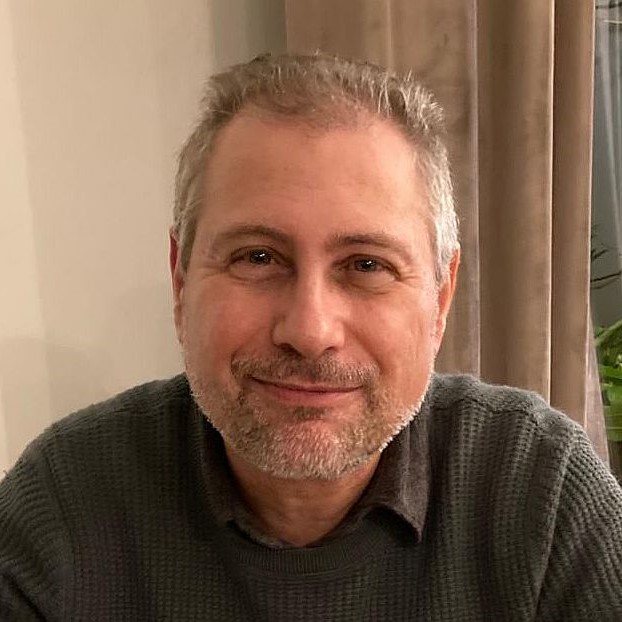
Professor Charbel Niño El-Hani — A biologist and philosopher of science, Universidade Federal da Bahia (Brazil). His work focuses on indigenous and local knowledge systems, the knowability of biodiversity, and practices of artisanal fishing communities. A Fellow & co-founder of LiLo Institute.
More info…
Format
The workshop will be hybrid (online/in-presence). The physical venue is the LiLo House, in Salreu Estarreja, Portugal. The working language of the workshop will be English. However, there will be support for participants who are more comfortable expressing themselves in Portuguese.
Participation
The workshop is restricted to LiLo Associates. You can become a Visitor Associate for the duration of the event. You will need to pay the corresponding Associate admission fee (2 euros) and a fee for the status during the event (3 euros).
In presence: Those participating for the first time, in presence, in a LiLo event require an invitation or a contact of a current LiLo Fellow or Collaborator who is willing to be their person of reference and who must also attend the event, either in presence or online.
Expression of Interest: Please express your interest in participating using this form by January 15, 2027.
 LiLo Institute